Do we need a UN Financial Security Council?
Another part of the multilateral system that is at breaking point is its financial architecture: the agreements and institutions that keep international financial flows stable. It was already on shaky ground before Trump’s shock therapy and gambling with global recession. Unsustainable debt has been ballooning in developing countries, with governments spending more to service debt than on their entire health and education sectors. Western governments are trying to walk a line between national and regional autonomy and efforts to reform international finance into a more resilient global system.
Chancellor Merz's mandate includes bolstering Germany's national defense and infrastructure. Mark Carney, a former Central Banker, will be redefining Canada’s trade relationship with the US. And Australia’s incumbent Labor Party won reelection by offering steady domestic governance and changes to global partnerships. Even the first American-born Pope, Leo XIV, signals a potential shift in the Church's engagement with both geopolitics and US domestic politics.
The current G20 Common Framework for debt restructuring has been pretty slow, opaque, and not really working, especially for middle-income economies. If this isn’t reformed this year, alternative regional negotiating blocks might emerge and - while they may be more effective - could further fragment the global system.
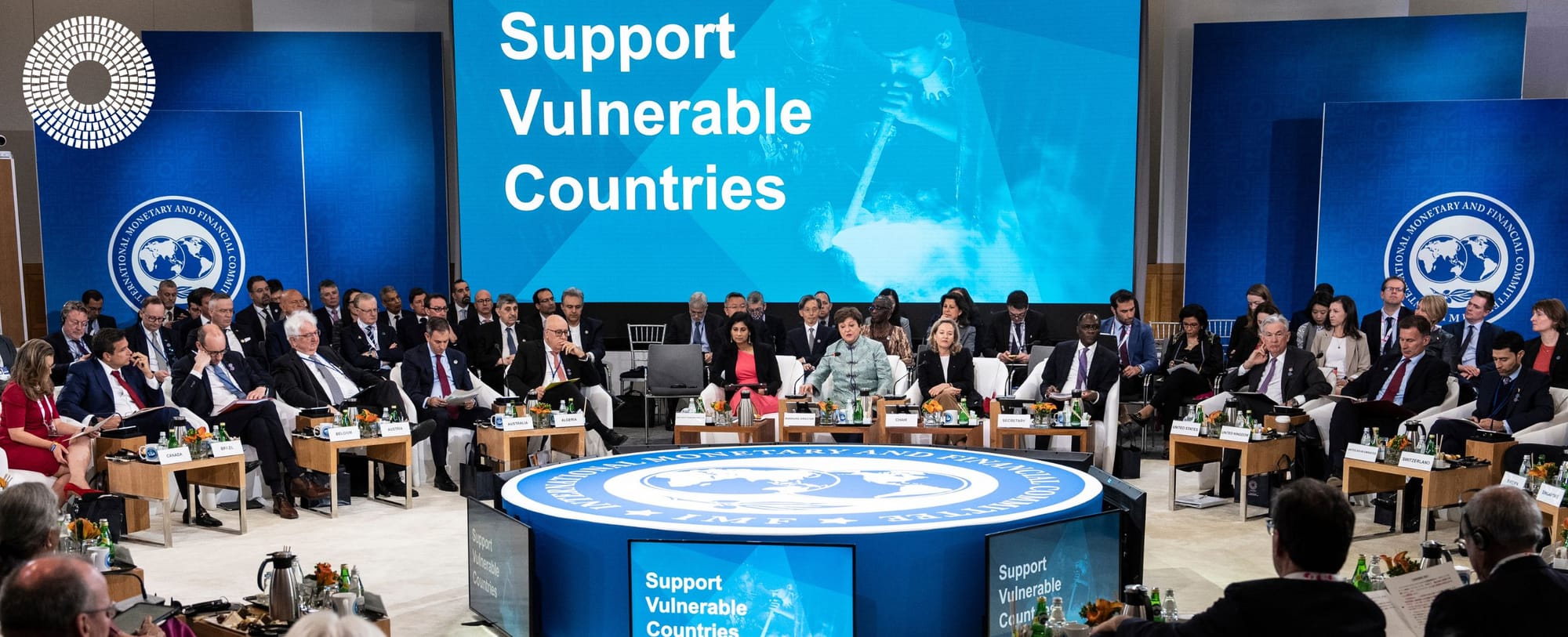
In the past year IFIs, following G20 recommendations, have begun adjusting their capital adequacy frameworks to ‘unlock’ additional lending capacity for investments in climate and development. Special Drawing Rights (SDRs) could still be better utilized by the IMF and regional banks for resilient lending instruments. But, since the big issuance in 2021, most SDRs are stuck waiting for agreement at the IMF between the US and Europe.
A new UN global tax convention, weak as it may be if negotiated during a tariff war, could also provide some revenue for debt burdened countries, potentially a roadmap for taxing tech giants and multinationals, and maybe even going after offshore havens. On this front, the UK Labour Party in particular has an opportunity to demonstrate how much political capital it is willing to put into international financial reform.
Private sector capital—the perennial favorite solution to bridge finance gaps—continues to flirt around the edges of multilateral fora. Blended finance models haven't fully delivered yet, despite the promise of leveraging trillions from institutional investors. Sustainability-linked sovereign bonds, something like those issued by Chile and Uruguay, could reduce borrowing costs and might attract new capital into sustainable investments – but a clear demonstrable link between reducing downside-risk and producing competitive returns will need to be laid out in these sustainability targets. Any and all financing should also better manage risk through linking insurance to resilience outcomes, and debt service pauses for disasters, especially if the Loss and Damage Fund is going to be actually funded.
Philanthropy also has a better chance of reversing its tendency to take over gaps in public financing. Yesterday’s announcement that the Gates Foundation will spend down its $200b endowment by 2045 points to an acceptance within philanthropy, and aid more broadly, that it should more deliberately strengthen public finance and governing capacity, rather than perpetually filling the gaps.

Global powers might be open to a new elevated UN ‘economic and financial Security Council-like’ body, but it’s not looking likely this year. These more ad hoc, regional and informal networks, negotiating blocks, and coalitions might be more effective for now in any case. Even if the UN is losing its majority share of multilateralism, it still needs to be there to connect and align these other rising minilateral networks.
Streamlining the UN's myriad financial initiatives into a coherent, effective structure is long overdue. Elevating DESA’s Financing for Development Office to better engage in global financial reform discussions in Washington, and strengthening the UN Development System’s coordination and joint programming of financing and trade support, e.g. platforms for UNDP and UNCTAD to work in a more systematic ways with the IFIs and ESG asset managers, including regional banks and investors. Then support to countries in navigating international and domestic flows, both public and private, across aid, loans and investments, could be something UN Country Teams and Regional Commissions could provide more substantive and coherent offers around.
Standardized, interoperable financial data will also be more valuable: not just to build up trust and predictability through mutual accountability and oversight, but now also as a common evidence base for advanced analytics and insights for financial decisions, risk management and policy direction – opening more fiscal and policy space for developing governments to operate in.
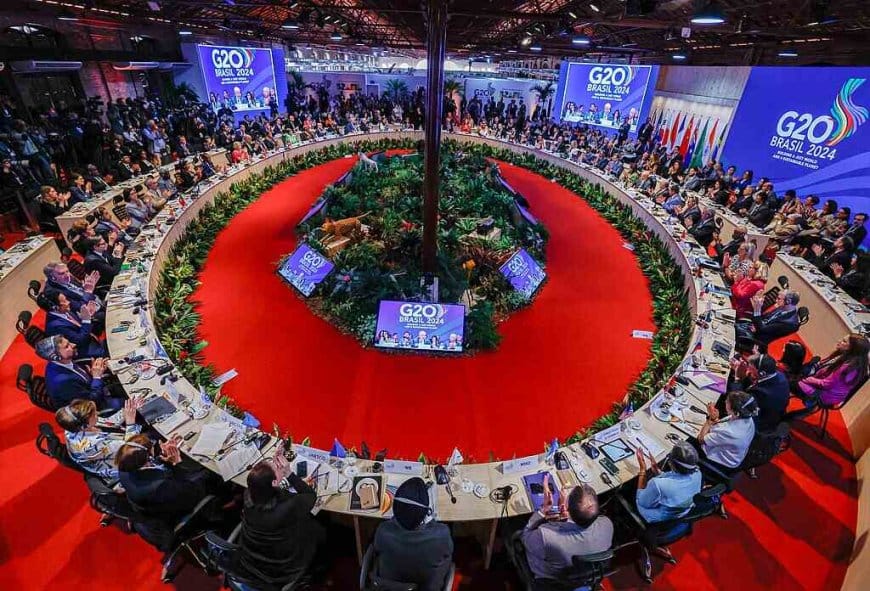
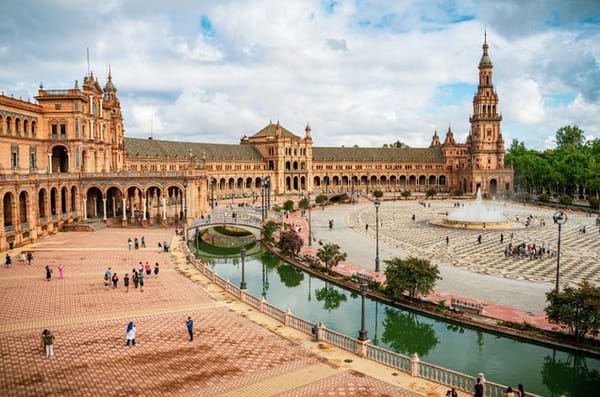
There are small windows of political opportunity in the upcoming South African presidency of the G20, the Financing for Development Conference in Seville, and GA that could set the stage for coordinating this complex global financial reform. The UN can be assertive without trying to monopolize these spaces, instead positioning itself pragmatically and usefully in this chaotic landscape.