Reconstituting Human Rights: Between Legalism and Legitimacy
Amid a geopolitical reconfiguration, the international human rights regime faces a reckoning. Instead of doubling down on a legalistic system with diminishing traction and results, the UN can regenerate a more pluralistic, pragmatic international justice out of more human struggles and systems.
Resurgent nationalism has denigrated international law as the instrument of a liberal elite. 'Anti-gender' movements in particular have mobilized backlashes against human rights, going beyond the roll back of women's and LGBTI+ rights to attack the basic legitimacy of liberal norms.
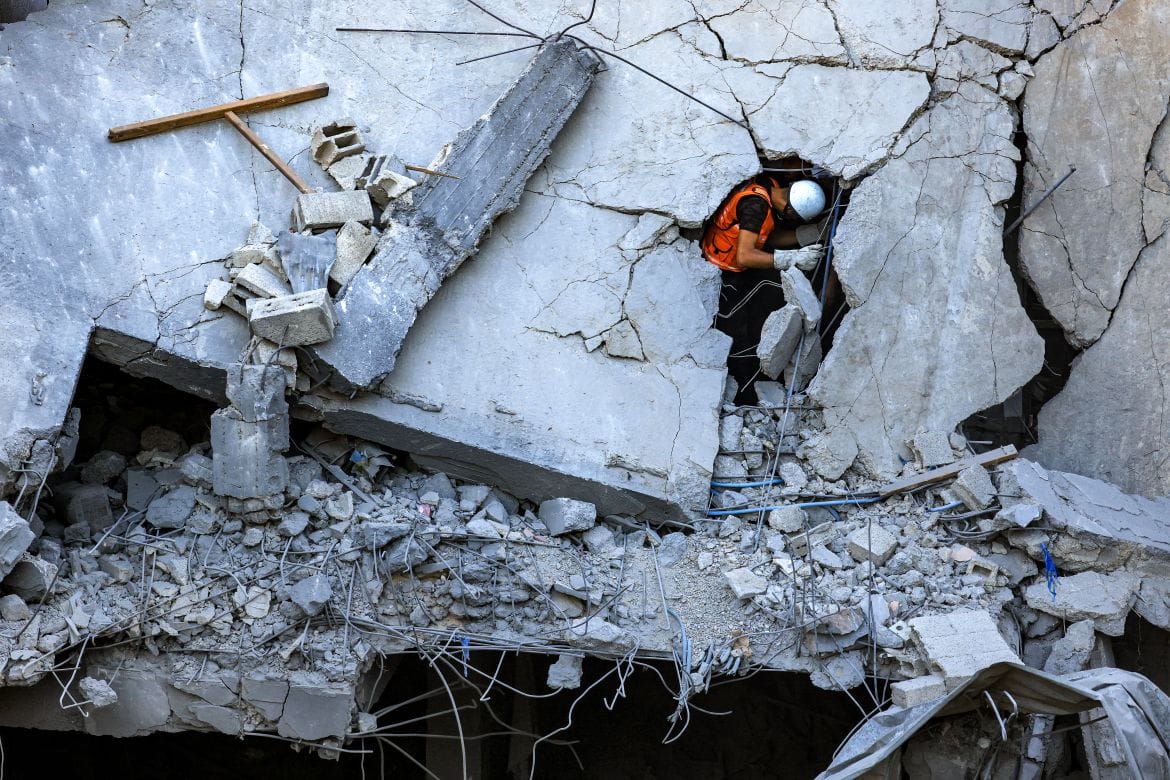
Major democracies are abandoning their moral leadership on human rights. The U.S. withdrawing from the UN Human Rights Council. Europeans offshoring asylum seekers and watching refugees continue to drown in the Mediterranean. Death and destruction continue in Gaza and Darfur, any aspirations for a 'responsibility to protect' long forgotten. Attention to the plight of ethnic and religious minorities within major powers ebbs and flows with the diplomatic tides. The ICC jurisdiction is routinely rejected. Treaty noncompliance is now normal. Rights abuses proliferate where legal accountability is structurally impossible.
Human rights law is losing even its symbolic potency as it is materially constrained. UN normative institutions rarely intervene in distributive justice or struggles for cultural recognition beyond fora and statements of solidarity. IMF and World Bank frameworks marginally reference rights where there is no risk to stability and fiscal discipline.
Strategic Misalignment
Human rights as a field remains more responsive to Geneva's calendars and fundraising galas than to the rhythms of political struggle. Resolutions, procedures, and ratifications continue. OHCHR speaks in generalities. Special Rapporteurs issue thorough, vital and mostly ignored reports. Few are resourced to follow up. Regional human rights mechanisms lack budgetary and political backing from the UN system or Member States.
Legal institutions remain the formal repositories of global norms but their outputs have withering political traction. The gap widens between institutional productivity and real-world results. Implementation stalls. Movements shift elsewhere. Populisms unfold and people turn against each other. Universal rights are replaced with competing protections.
How did we get here?
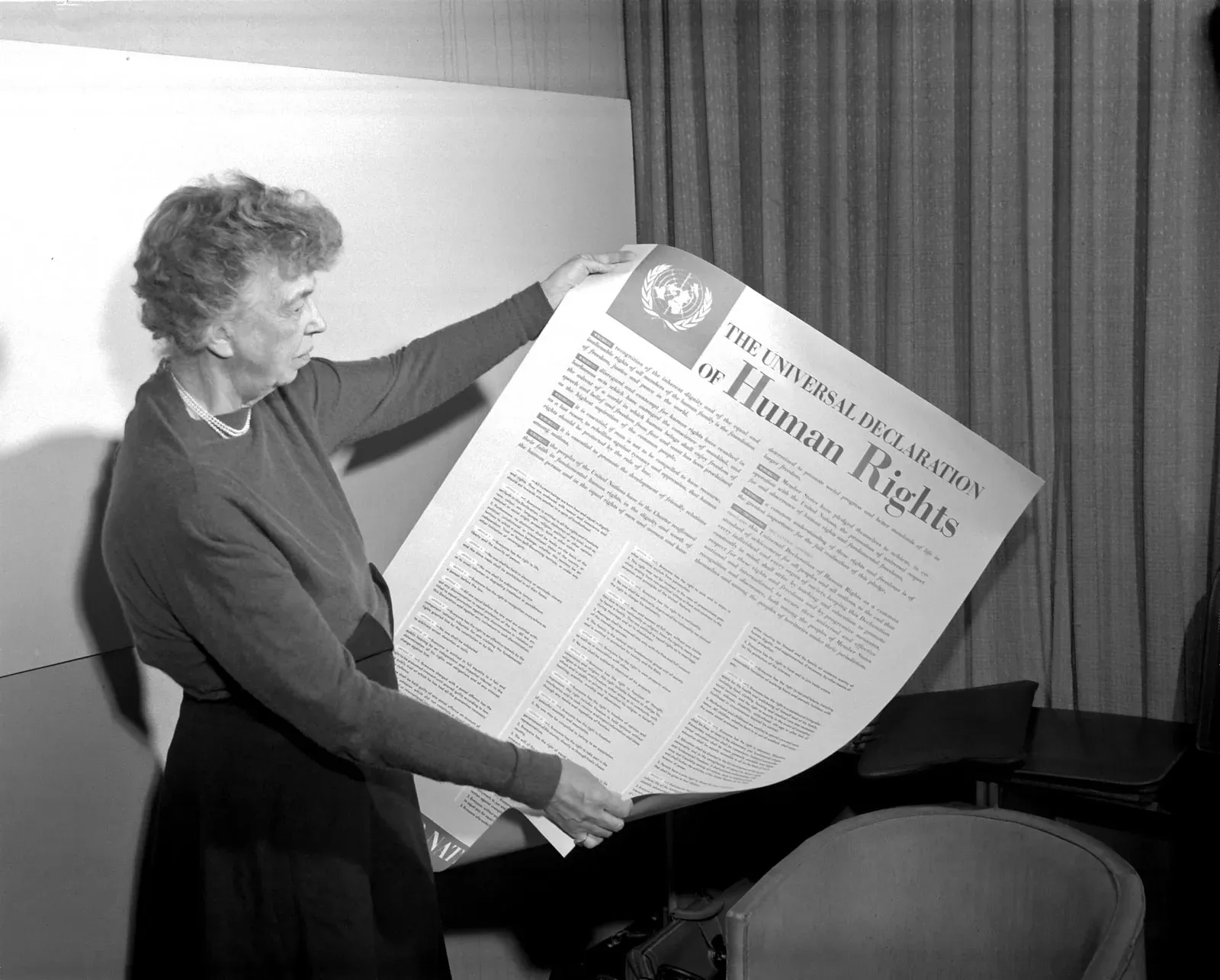
The postwar settlement enshrined international human rights in law, casting the individual as rights-holder and the state as duty-bearer. Codification, treaties, oversight bodies, and enforcement mechanisms followed. The UN built the OHCHR, the Human Rights Council, and treaty bodies into a normative ecosystem. Strategic litigation and treaty ratification catalyzed the end of apartheid, secured agreements on rights for women and children, and pressured authoritarian regimes to reform. Courts shaped norms and reframed narratives. The ICC and ad hoc tribunals for Rwanda and the former Yugoslavia formalized accountability for atrocities.
Legal victory became the currency of progress.
But international law was never autonomous from political will. Legal frameworks coexisted with impunity, selective enforcement, and stagnating implementation. Rights on paper outpaced rights in practice, and now the gap seems untenable.
The professional human rights field still chases landmark legal and treaty wins as a proxy for success. New laws, signed treaties, ratified protocols—are tangible, reportable, and politically legible. Foundations and donor governments, especially in the Global North, have prioritized these as benchmarks, or even simply celebrated as impact.
This sustains a disproportionate flow of resources to legal advocacy NGOs, treaty monitoring, and compliance infrastructure. So Northern foundations and governments channel funds into organizations capable of delivering these legal benchmarks.
For the UN, human rights are mentioned in virtually every strategy document, yet across peace, development, and humanitarian pillars, they are frequently treated as checked boxes or procedural safeguards rather than as core drivers of change - seemingly to appease a core of Northern donors and civil servants working within international organisations, intent on entrenching norms on paper and podiums.
Projects framed around law promised linear progress: problem > legal advocacy > reform. Measurability, replicability, and visibility drove funding cycles. Advocacy NGOs, legal clinics, watchdog mechanisms, litigation, and compliance infrastructure receive disproportionate support. It is much harder for external resources to be invested in social, political, and cultural processes without distorting or co-opting them. So social and labour movements, political organizing, cultural legitimacy, and redistribution are sidelined (often by their own volition) from formal processes of structural transformation, retaining their autonomy but crowded out by the resourced civic engagement of the professionalized civil society sector engaged in safer marginal gains.
Not that human rights institutions are sufficiently resourced. Treaty body backlogs stretch into years. Most UPR recommendations remain unimplemented. Human rights advisers are siloed within, or even outside of, UN country teams.
This is largely seen as political expediency. UN peace and political negotiators avoid rights-based framing to preserve access to conflict parties. Development agencies decouple programming from rights to maintain neutrality with host governments. Humanitarians advocate for international humanitarian law, not human rights, to sustain their operations.
The Human Rights Council reflects instrumental, geopolitical logic more than principled scrutiny or open dialogue. Membership criteria do not preclude major abusers. Blocs neutralize condemnation. Special Procedures and fact-finding mandates vary in impact, and are largely ignored by the powers that matter.
Coordination between rights, development, and peace pillars has always been weak, and the UN seems resigned to gridlock.
Legalism’s Legitimacy Problem
Rights discourse over the war in Gaza have gravitated towards legal definitions of genocide and ethnic cleansing, a politically charged rebuke of Israel, evoking the Holocaust's influence on the genesis of international human rights and Arendt's vision. In this age of fragmented, subjective media consumption and impotent international law, the potency of the ‘genocide‘ accusation, or any evocation of international legal terms, is evaporating into a mundane partisan identifier. Worse, the objective facts of death, dismemberment, starvation, rape, forced displacement, kidnapping, family destruction and psychological trauma are obscured by legalistic and procedural debate, on the assumption that claims to legal impartiality provide the authority to impose systemic change. Meanwhile, the religious and culturally specific political economies within Palestine and Israel that drive conflict are mostly inaccessible to international human rights discourse.
Even from their inception, human rights treaties – written in Western legal idiom, monitored in Geneva, and enforced through international courts – have mapped poorly onto postcolonial politics and culture. NGOs fluent in legal frameworks became intermediaries, sidelining traditional authorities, labour unions, informal economies, and religious and cultural networks. 'Civil society' became a vague term within which northern charities, funded by northern governments, could operate with a veneer of political legitimacy inside the global south, derided by Arundhati Roy as turning resistance into a well-mannered, reasonable, salaried, 9-to-5 job.
But rights inevitably conflict. Adjudication involves discretion. Politics infiltrates law at every level. Legalism cannot deliver justice without the levers of power. As David Kennedy put it, human rights law promises a vocabulary for justice outside the clash of political interest.
Human rights movements at their best have made transformational change, but these victories are becoming fewer and further between. Today they struggle to uphold a patchwork of uneven, precarious safety nets.
Torture was outlawed as inequality soared. The right to subsistence inadvertently protected an historic concentration of wealth. Samuel Moyn argued that courts have humanized poverty, while they aren’t able to redistribute wealth or restructure production and social orders.
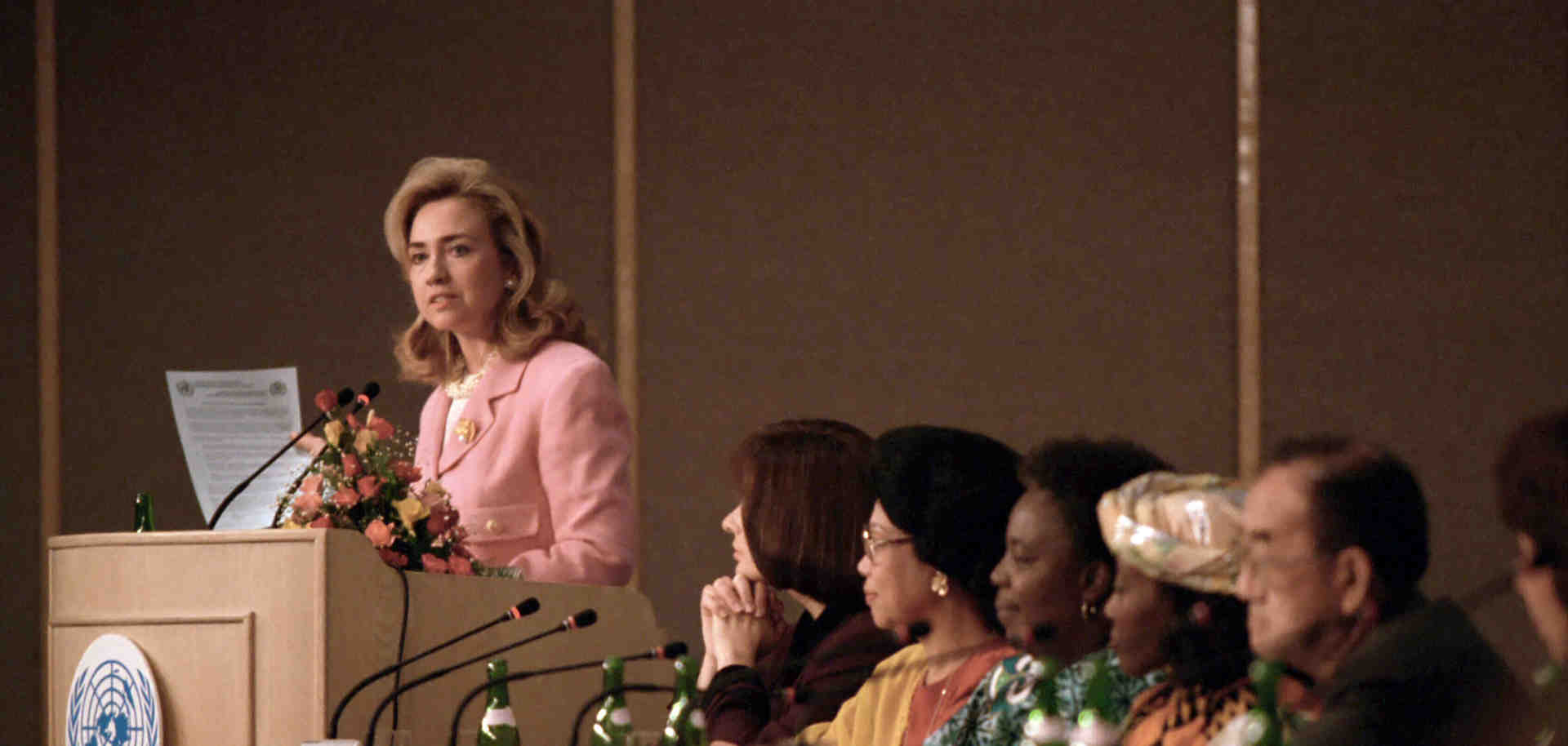
CEDAW, the CRC, and CRPD codified obligations but rarely transform systems or even governing structures. Violations persist. Women remain overrepresented in unpaid care work and underrepresented in power. Disability rights expanded in norms, but not in economic or political inclusion - remaining sidelined into an overly medical, welfare model.
In Latin America and the Arab world, feminist and civic movements became consulting outfits. Technical assessments replaced mobilization. Governments partnered with apolitical NGOs. More ambitious and economically-orientated organizations were excluded from formal consultation.
The time span of these arguments show this is nothing new, it's a perennial debate within the rights sector. It is only worth restating now because international bodies are facing an onslaught against their normative foundations, and there is an instinct to be defensive and unified.
To keep the promises of human rights alive, doubling down on a dying regime is only terminal. Rights need to be re-established politically and culturally, and the UN must play a role in meeting this moment.
Regime Reformation
Law can constrain power, articulate standards, and open political space. It cannot create movements, deliver structural equity, or shift ideology. Litigation without political constituency, norm-setting without cultural context, and enforcement without social leverage produce diminishing returns.
But local rights regimes have emerged across a range of polities to produce results.
In Rwanda, Gacaca courts processed genocide cases at scale with community involvement. In Ecuador and Bolivia, indigenous principles enshrined the rights of nature into law. In Colombia, the peace process embedded ethnic, gender, and local participation within its legal and political architecture.
In Africa, the Maputo Protocol addresses abortion rights, inheritance, and polygamy in regionally grounded language. The African Charter balances rights with duties. In Latin America, the Inter-American Court foregrounds indigenous land claims and collective rights.
Bhutan measures governance by Gross National Happiness. Post-growth metrics challenge GDP-based assessments of rights fulfillment. Buen Vivir reconceptualizes dignity in ecological, relational and cultural terms.
These are legal approaches embedded in broader perspectives beyond the collapsed mid-20th century bipolar settlement. They show that legitimacy of justice regimes can flow as much from participation as from principle.
If human rights regimes were engaged in the political movements upon which the governing coalitions of the global south were already immersed, responsive to increasingly fluid political settlements and social contracts, then their framing as imposed neo-colonial Trojan horses could be replaced with more openness and even embraced.
What now?
For UN staff, donors, and rights professionals, this is not the end of the road—it is a moment of reckoning, and an invitation to build a more grounded, legitimate, and strategic foundation for a universal standard of justice.
With better tools for mode shifting and code shifting across rights regimes, OHCHR could act as integrator, not silo. Treaty bodies could feed into development planning. Human rights advisers in UN country teams could be embedded in economic analysis and political strategy, not isolated as procedural monitors, scanning texts for keyword counts.
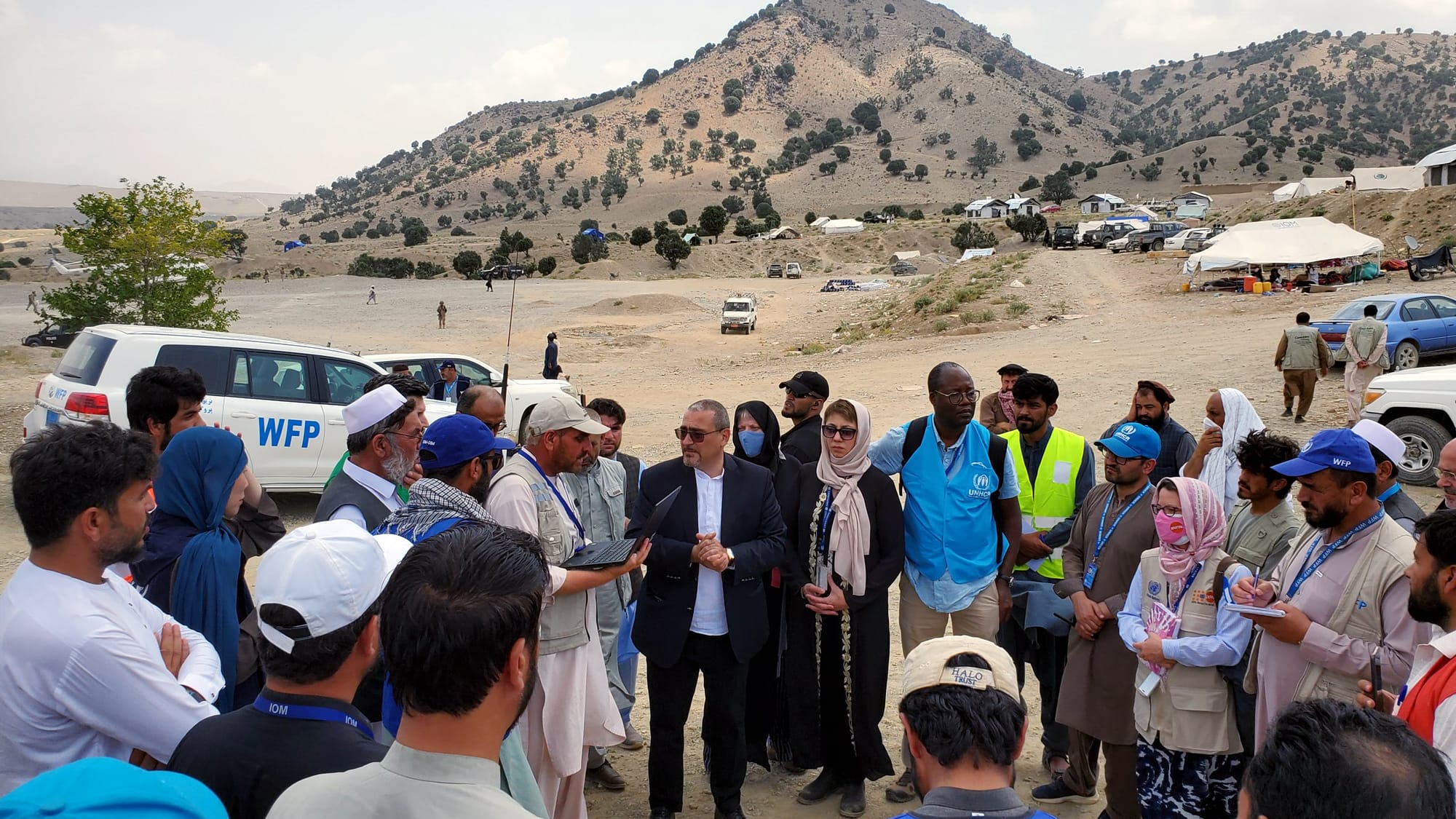
The Human Rights Council could build regional coalitions and dialogues to broker culturally grounded understandings of rights and roadmaps to justice. Local governments and municipalities could be formalized as implementation partners. Conflict prevention strategies could adopt rights-based early warning metrics and grievance recourse mechanisms.
A new global social contract could replace the international liberal consensus that no longer holds. Equity, sustainability, and pluralism could still be the frame, with legalism, and the sector's deep legal expertise and experience, still there as a support from the backseat.
For the UN, a multilateral justice regime can be experimental, plural, and pragmatic. Legalism should still provide an enabling infrastructure. But international organizations need the capacity and language to strategically engage with political economies, social contracts and cultural movements as the core agents of a sustainable international justice.