Global Health Funding Crises
In 2022 the World Health Organization set out to reduce its reliance on earmarked funding that ties projects to donor requirements. Member States agreed to raise their 'assessed contributions' from 16% of core budget towards 50% by 2031, and began carrying it out with a 20% increase for the 2024–25 budget and another for 2026–27. The WHO now raises more in absolute terms from dues without the US than it did in 2022–23 with it. As a share of the budget, though, assessed contributions have fallen to 17%, and the most tightly restricted donations now make up 91% of its voluntary funding.
Even though WHO's reform achieved what it was designed to, the share of core funding fell because the US quit in January 2026, leaving around $260m in dues for 2024-25 unpaid. Argentina also left, having contributed about $8m to a budget of roughly $6.9bn, but no other significant funder has left.
The WHO's other recent achievement, a pandemic treaty, is agreed but cannot yet bind anyone. Member States adopted the Pandemic Agreement by consensus in May 2025, after three years of negotiation, but can't take effect until there's agreement on how a country that shares data on a new pathogen receives the resulting vaccines and treatments in return, as negotiations have been deferred again at this year's assembly to 2027 at the earliest. Until it is settled the treaty cannot open for signature, and 60 ratifications are then required. The US, with much of the world's pharmaceutical research, took no part - so a year after adoption the treaty remains non-binding.
Pandemic treaties require systems to coordinate, laboratories, surveillance and health workers, and many of these run on development aid, which is now being cut faster than ever recorded. Aid from the major donor governments fell 23% in 2025, the steepest single-year drop the OECD has measured, with five governments accounting for almost the entire fall. Within that total, core funding to UN agencies dropped 27% while core funding to the World Bank and the regional development banks rose. The bodies losing money fastest tend to be the universal, normative ones, where every Member State has an equal vote, while the IFIs, where the size of a contribution sets the size of the vote, have been comparatively protected. In a period of geopolitical deadlock, governments are concentrating investments where narrower control and consensus are clearest.
The US withdrawal fits in its wider position that disputes the scientific advice the agency issues. RFK Jr. used last year's assembly to urge other governments to build alternative institutions. While the UK, Germany and other European governments are reducing aid and development spending, they still support the WHO, just with fewer resources.
Private flows and philanthropy have not yet closed the financing gap. The Gates Foundation, which helped create both Gavi and the Global Fund, has raised its spending in response to the cuts while announcing it will spend down its endowment and close in 2045. Its money flows mainly through those two funds and through disease-specific programmes, closer to the earmarked model the WHO was trying to move away from. Gavi and the Global Fund can let individual countries graduate off support as their economies grow, but neither has a plan for the end of the institutions themselves, which were built with no end date, and many lower-income countries still depend on external, donor-led funding for procurement and basic services.
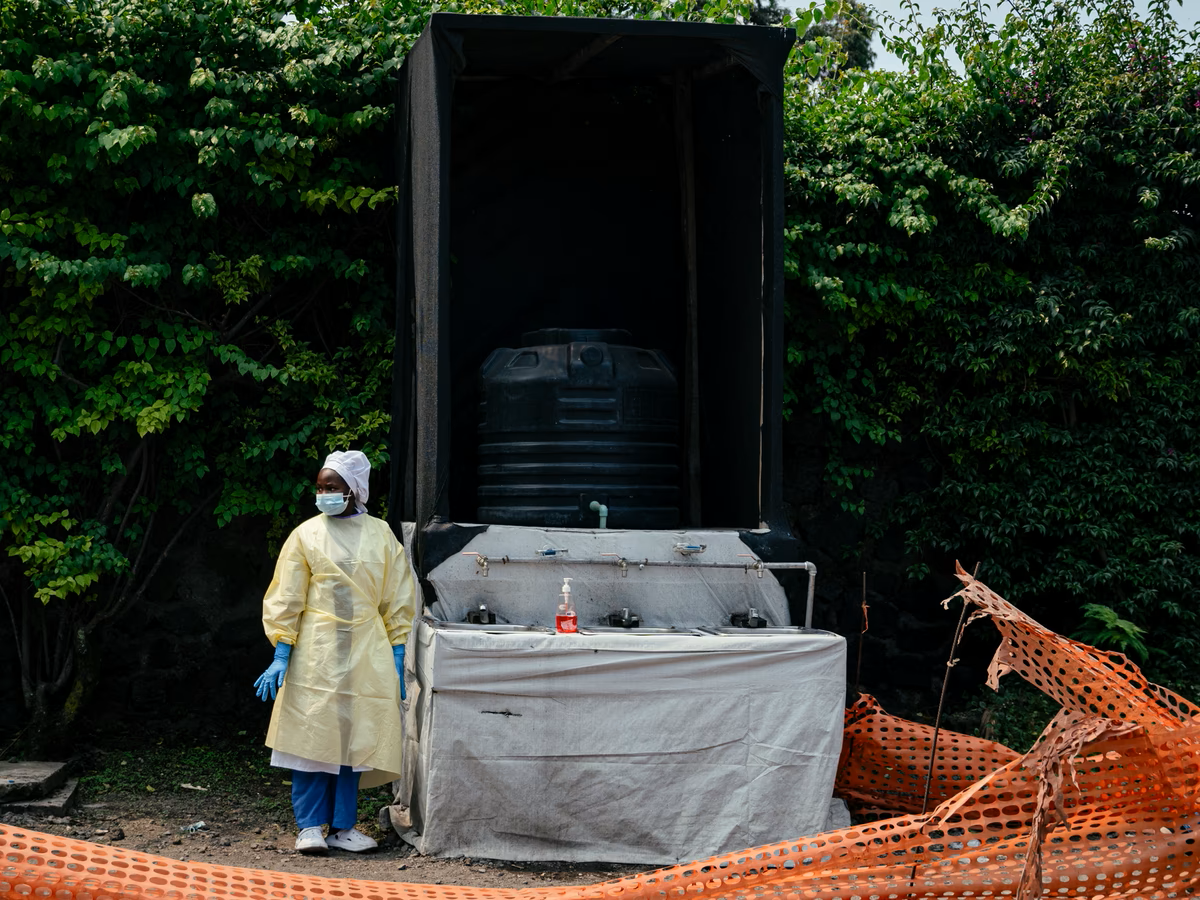
The cuts have mostly affected preventative health first. The sharpest came with the dismantling of USAID in early 2025, which was the world's largest funder of global health, cancelling 83% of its programmes within weeks and closed clinics and treatment programmes across dozens of countries. A WHO survey of 108 country offices in early 2025 found that 70% reported disruptions to immunisation, disease surveillance and primary care, the functions that catch outbreaks early - but often politically easier to cut because their absence is not immediately felt.
WHO's Director General, Tedros Adhanom Ghebreyesus, argued the shock could push countries to fund health systems from their own budgets, and while the right long-term direction, it's a much longer process than the speed of the cuts allow. Up to a quarter of the offices surveyed reported patients already being charged out of pocket for care that had been free.
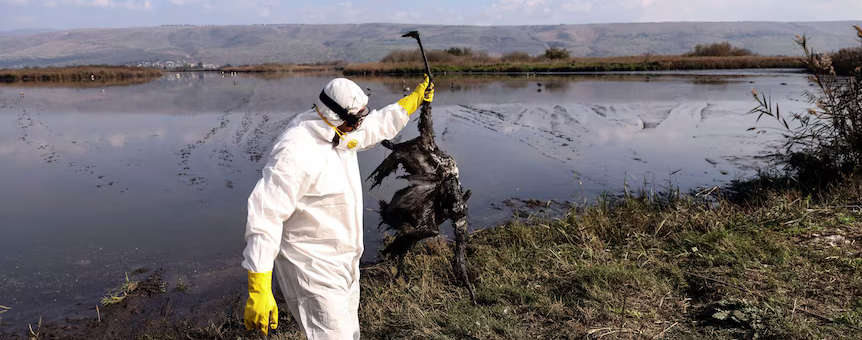
H5N1 avian influenza, that such surveillance was meant to manage, has spread from birds into cattle, pigs and marine mammals across much of the world, moving through livestock most extensively in the US, with nearly 1,000 infected dairy herds across 17 states and 70 human cases since 2024. The virus cannot yet pass between people, the threshold for a pandemic, but each human infection is a small chance for it to acquire that ability, and it has killed roughly half of those recorded as infected worldwide since it emerged.
A second risk is that the tools to engineer a dangerous pathogen on purpose are becoming cheaper and easier to use. In February an AI model was reported to have designed and run 36,000 biological experiments on its own, with software that can design working viruses. The main treaty governing biological weapons is over 50 years old, and has no means of verifying whether countries comply, while the US has revoked the domestic rule that set safety conditions on this kind of AI work and the screening of synthetic DNA orders remains largely voluntary. The technology is moving much faster than the systems meant to regulate and manage it.
The required agreements are mostly or nearly in place on paper but the money and the international systems to act on them are not being built or maintained, with some being dismantled, while the nature of the risks is changing and growing fast.